Desk Job? Try These 9 Exercises for Better Spinal Alignment

Spinal alignment improves when you regularly move, stretch, and strengthen the muscles that support your neck, upper back, core, and hips. The best desk-friendly exercises for spinal alignment treatment include chin tucks, thoracic extensions, seated twists, hip flexor stretches, glute bridges, and lower spine stretches that reduce stiffness from long hours of sitting.
When you sit at a desk job for hours at a time, it’s common to find yourself in a familiar pattern: rounded shoulders, forward head posture, tight hips, and a stiff lower back. Over time, that posture puts extra strain on your spinal alignment, making everyday movement increasingly uncomfortable.
The good news is that a few simple exercises throughout the workday can help restore balance, reduce tension, and support healthier spinal alignment. In this guide, you’ll learn practical movements to do at home or at your desk, why they matter, and how they support long-term comfort and mobility.
What is spinal alignment?
Spinal alignment refers to the way your head, shoulders, ribs, pelvis, and lower back stack and move together. When alignment is healthy, the spine distributes pressure evenly, and muscles do not have to work as hard to keep you upright.
Poor posture from sitting too long gradually affects your alignment, especially if you rarely stand, stretch, or strengthen the muscles that support your core and back.
According to WebMD, about 80% of people will experience lower back pain at some point during their lives.
Best exercises for desk workers
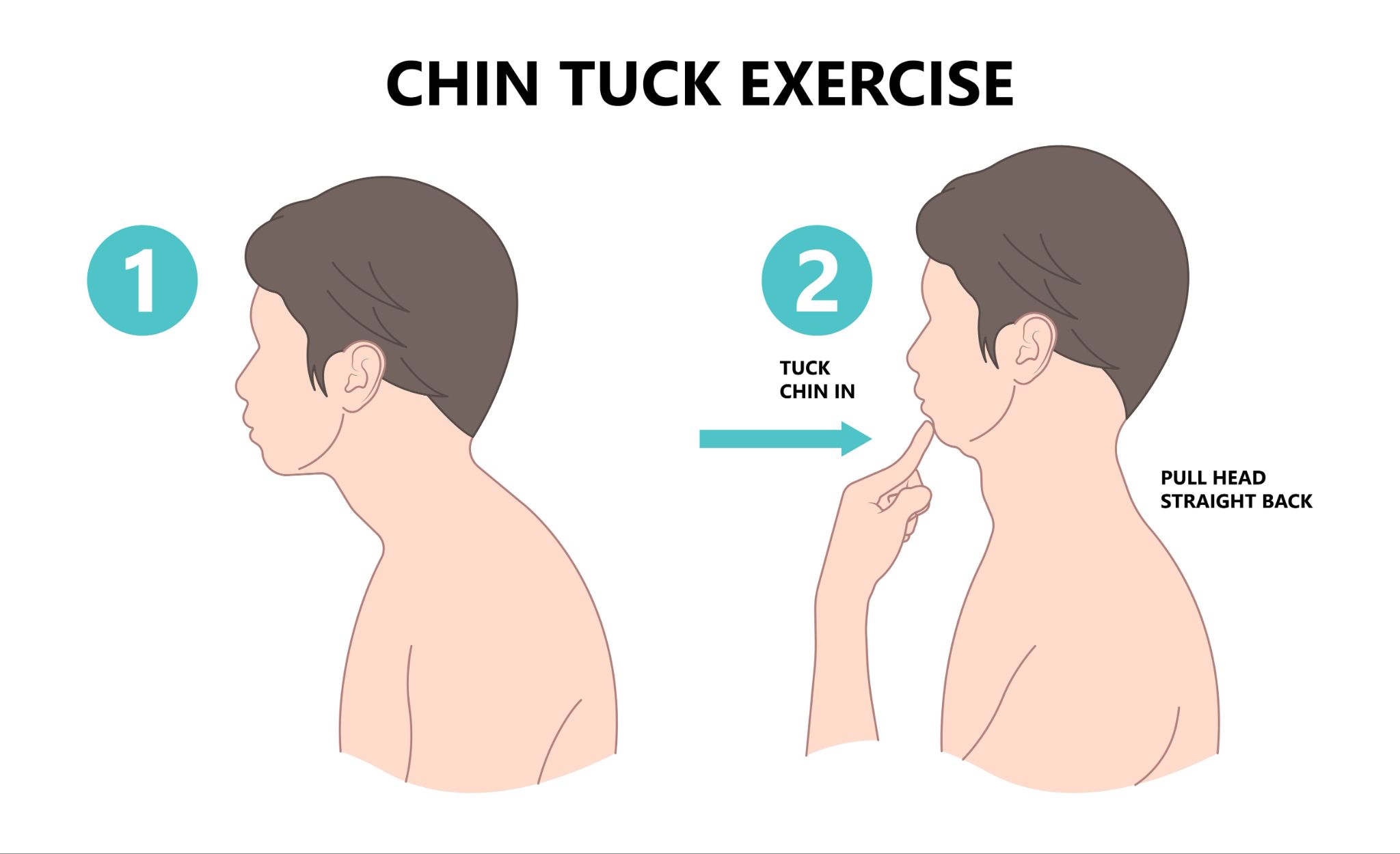
1. Chin tucks
Chin tucks help retrain the neck to sit in a more neutral position. Sit or stand tall, gently draw your chin straight back, and keep your eyes level. Hold for three to five seconds and repeat eight to 10 times.
A variation on this is neck retractions. These help counter forward head posture from screen time. Sit tall and gently draw your head backward, as if creating a double chin, without tipping your chin down.
Chin tucks tend to be small, gentle nods that focus on deep neck flexor activation and posture, while neck retraction involves moving the head straight backward to create a “double chin” shape and is a more direct alignment drill.
These movements help reduce forward neck posture and strain on the neck and upper shoulders. These are among the simplest exercises to improve spinal alignment.
2. Thoracic extensions
Thoracic extensions open up the upper back, which often rounds forward while working at a desk. Sit in a chair with your hands behind your head and gently lean your upper back over the chair’s backrest. Move slowly and keep the motion controlled.
This exercise helps reverse slouching and encourages a taller, more upright posture. It also supports spinal alignment treatment by improving mid-back mobility, where stiffness often builds first.
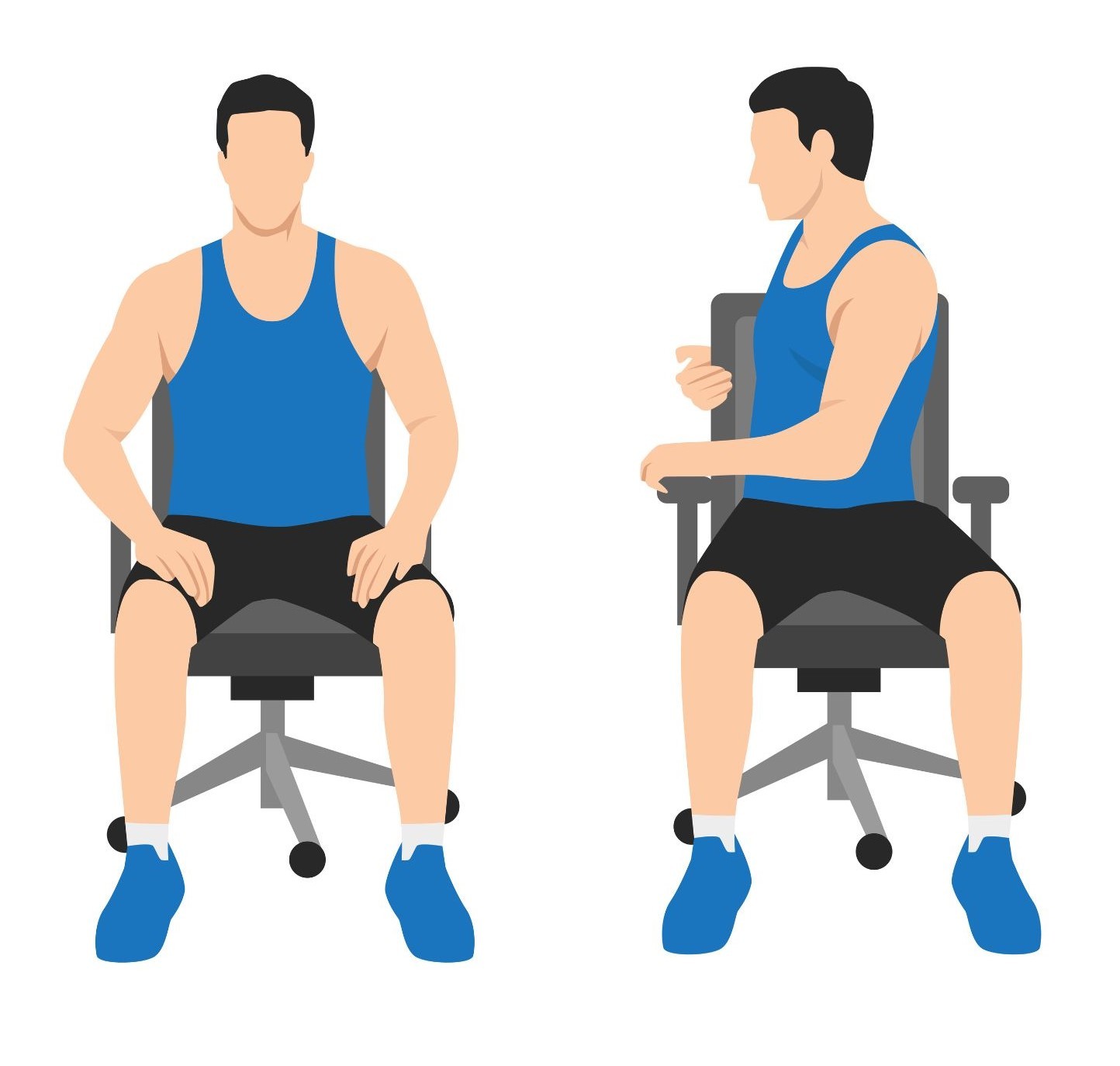
3. Seated spinal twists
A seated twist helps reduce stiffness through the spine and improve rotational mobility. Sit tall, place one hand on the opposite knee, and gently rotate your torso to one side. Hold briefly, then switch sides.
Another variation of this stretch is to sit in a chair, keep your hips facing forward, and gently rotate your upper body to one side while holding the chair or an armrest for support, rather than your knee.
This movement is helpful if you spend hours facing a screen. It also relieves tension in the lower spine and surrounding muscles without requiring much space.
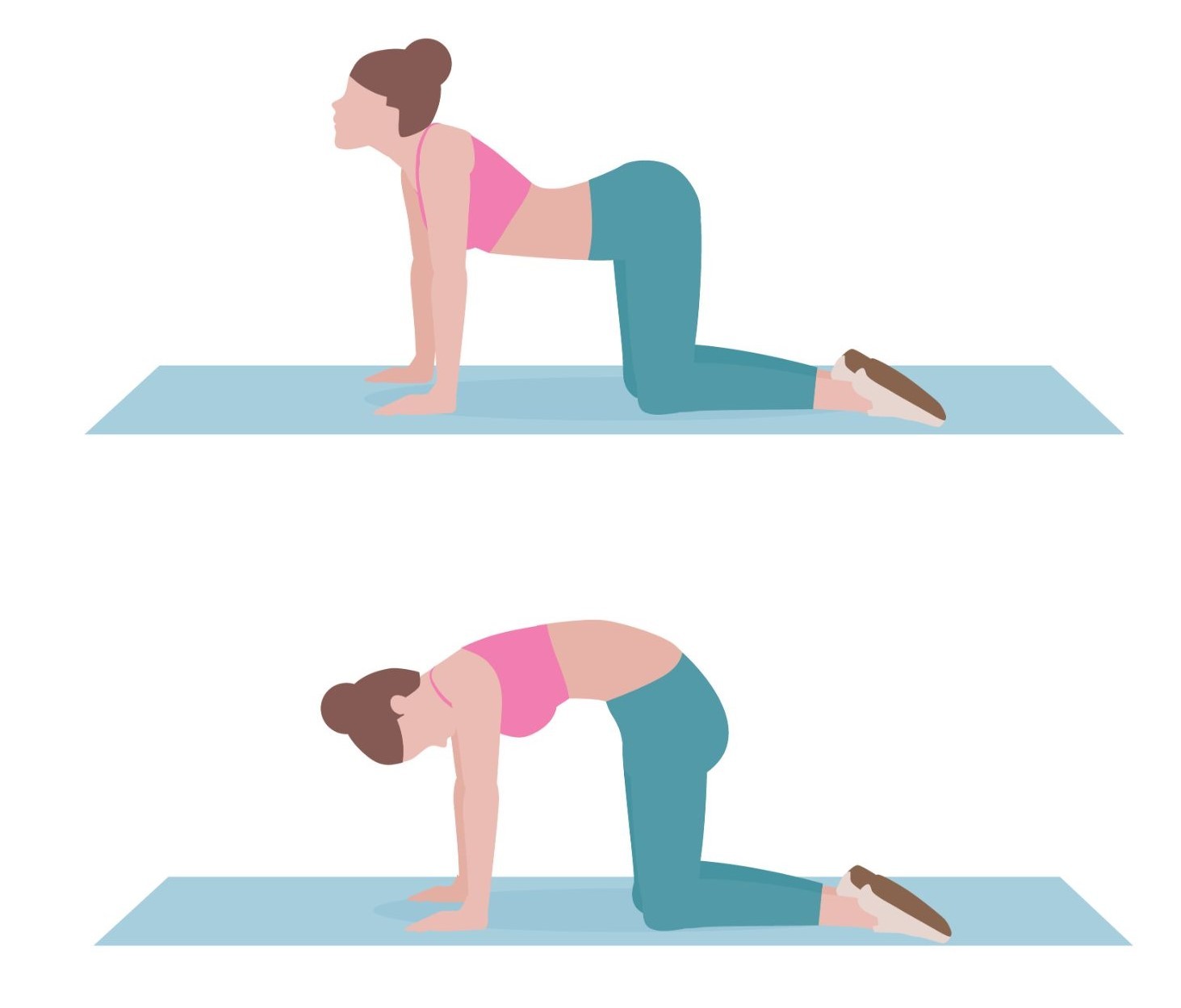
4. Cat-cow stretch
The cat-cow stretch is a simple way to improve spinal mobility and reduce stiffness from sitting. Begin on your hands and knees or modify it for a seated position in a chair. Arch your back gently as you inhale, then round it as you exhale.
This flowing motion helps loosen the spine and helps make long periods of desk work feel less restrictive. It is also a helpful warm-up before doing other lower spine stretches.
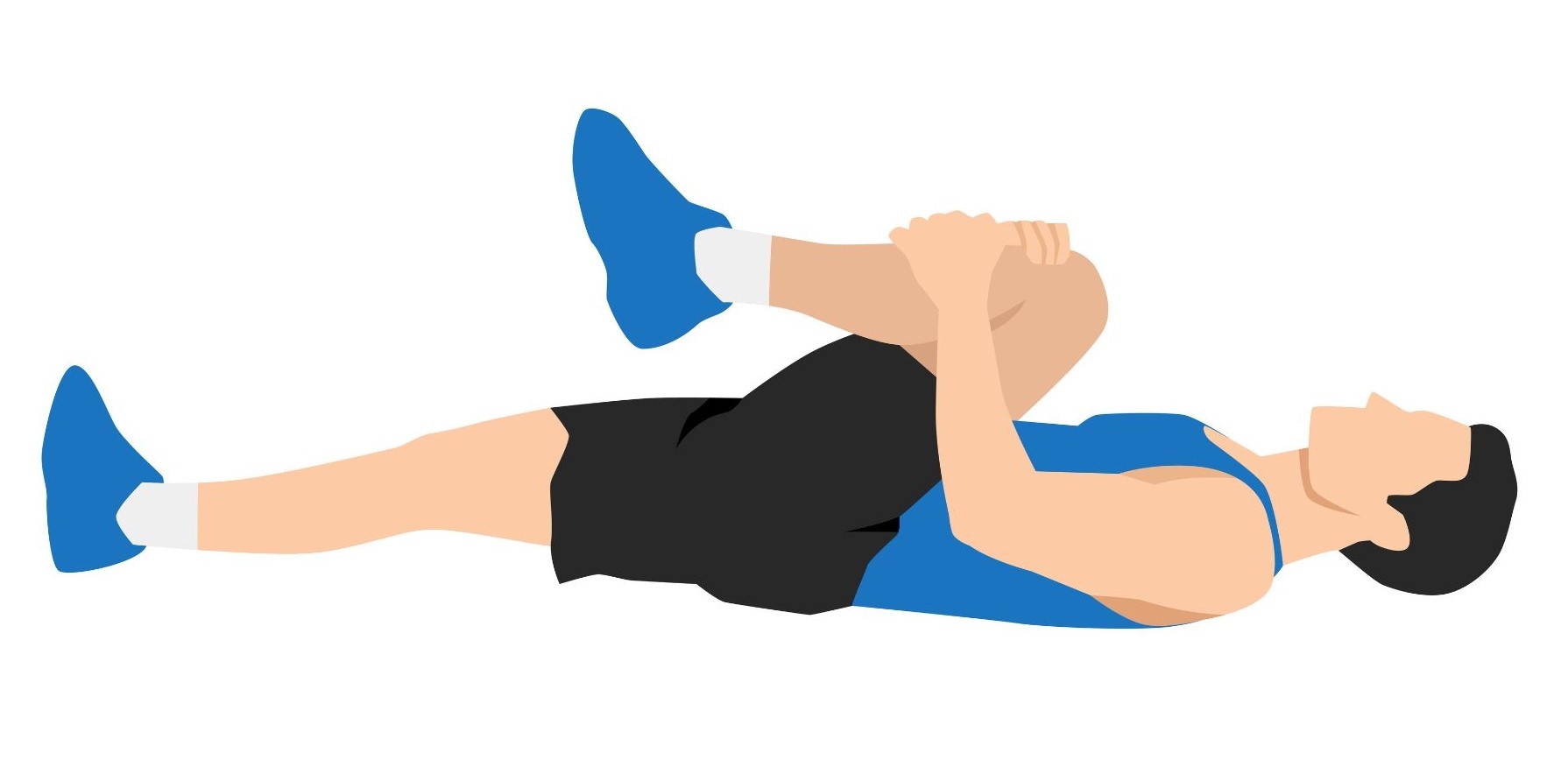
5. Knee-to-chest stretch
The knee-to-chest stretch gently opens the lower back and reduces compression from sitting. Lie on your back, bring one knee toward your chest, and hold for 20 to 30 seconds before switching sides.
This is one of the most useful lower spine stretches because it targets the area that often feels tightest after long hours of sitting.
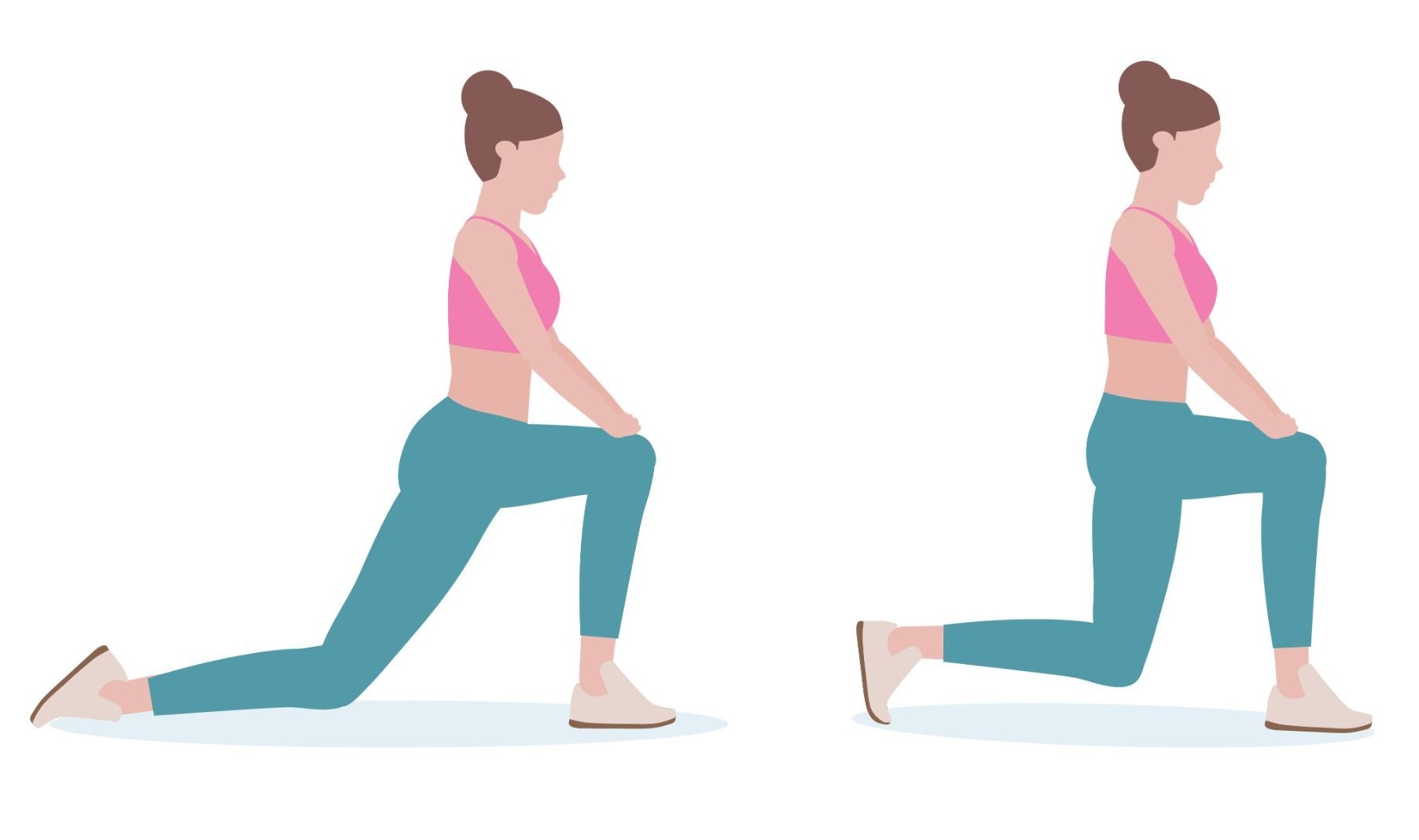
6. Standing hip flexor stretch
Hip flexors often tighten from prolonged sitting, which pulls on the pelvis and affects spinal alignment. Step into a half-kneeling lunge position and gently shift your weight forward until you feel a stretch in the front of the hip.
Hold for 20 to 30 seconds on each side. This stretch loosens tight hips, which often contribute to low back pain and changes in posture.
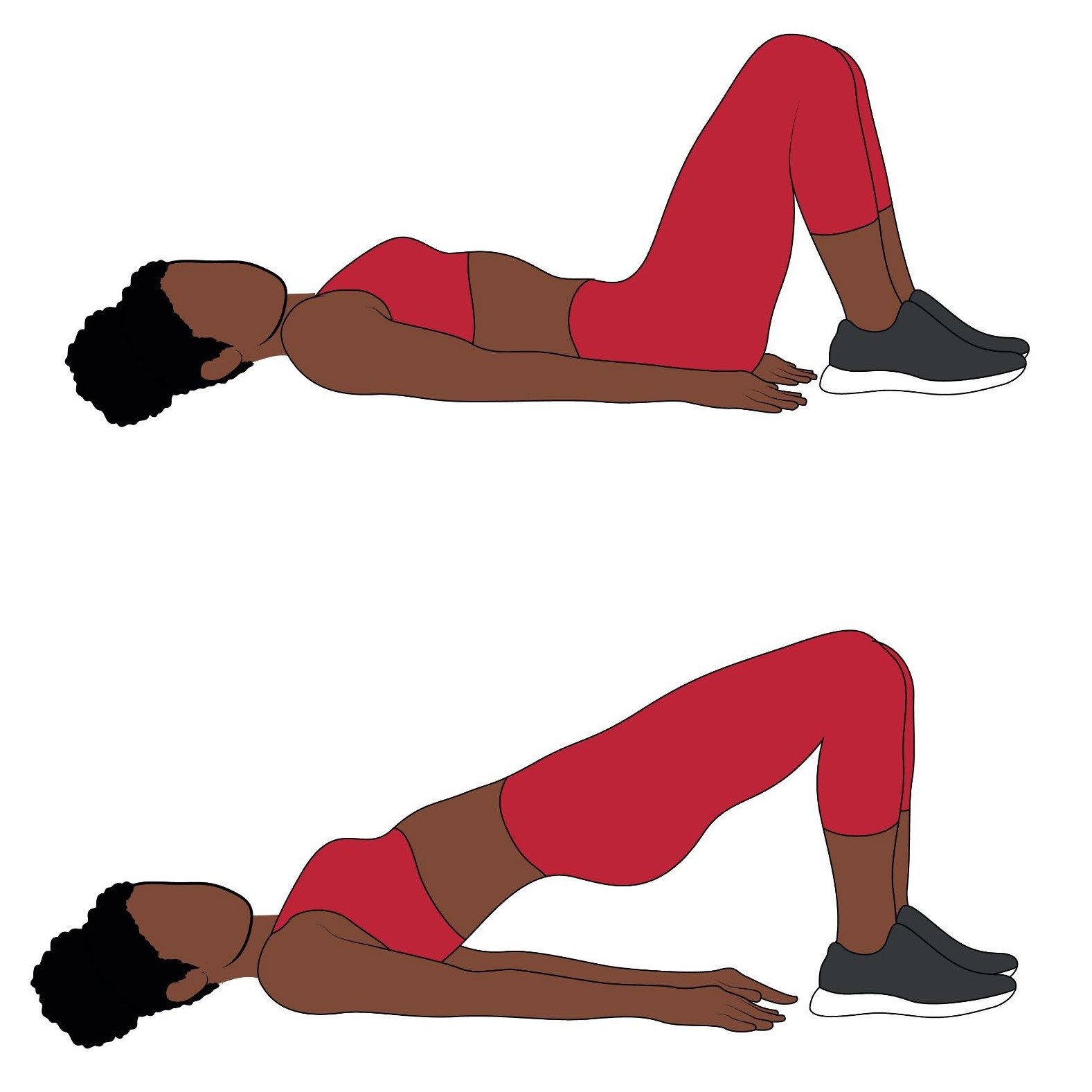
7. Glute bridges
Glute bridges activate the muscles that support the pelvis and lower back. Lie on your back with your knees bent, feet flat on the ground, and lift your hips until your body forms a straight line from shoulders to knees.
This exercise strengthens the posterior chain and supports better posture during sitting and standing. Strong glutes help reduce the load on the lower spine.
8. Seated lumbar release
The seated lumbar release stretch helps decompress the lower back after prolonged sitting. Sit tall in a chair with your feet flat on the floor, gently hinge forward from the hips, and let your upper body relax toward your thighs while keeping your spine comfortable and supported.
This stretch eases pressure on the lower spine. It also pairs well with knee-to-chest stretches and hip flexor stretches for a more complete lower-back routine.
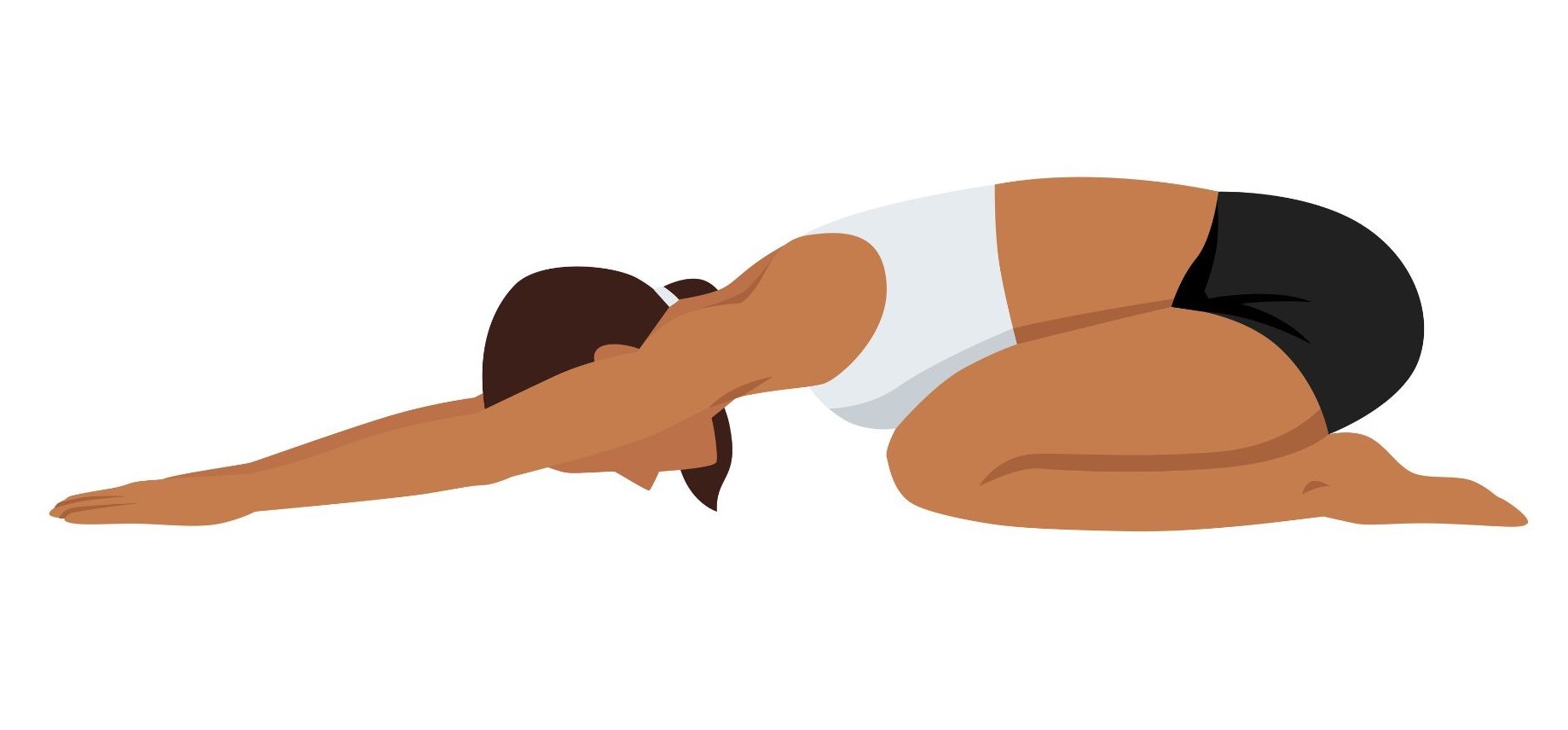
9. Lower spine stretches
Lower spine stretches help ease pressure that builds up during prolonged sitting. A gentle child’s pose variation is a good choice if it feels comfortable: kneel on the floor, sit back toward your heels, and reach your arms forward.
You can also repeat this one along with the knee-to-chest stretch or seated lumbar release throughout the day. These lower spine stretches reduce stiffness and make it easier to sit with better alignment later in the day.
Common mistakes to avoid
Even if you are doing a few stretches, you still might be struggling with pain and discomfort because you overlooked the bigger picture.
Avoid these common mistakes:
Don’t sit for too long. Even if you stretch once or twice a day, you still need to get up and move for a little bit.
Forcing stretches too aggressively may cause extra strain or overstretched muscles, especially in the lower back.
Ignoring core and glute strength, which helps support spinal alignment.
Letting monitor height, chair position, or keyboard setup work against your posture. These are all usually adjustable to some extent, so make sure they work with your body.
Expecting one quick fix instead of a daily routine. You need consistency and time for it to work.
Recommended tools and supports
A few simple tools may help your body feel better:
Adjustable chair or standing desk
Yoga mat for floor stretches
Resistance band for light strengthening
Foam roller for upper back mobility
Timer or posture reminder app
These tools aren’t required, but they can help ease the pain and tension that come from long days spent sitting in an office. The best setup is one that helps you move more often and sit with less strain.

When to get chiropractic care
It’s time to consider chiropractic treatment if you’re dealing with recurring back or neck pain, stiffness after sitting, posture-related discomfort, or tension that keeps coming back despite stretching or rest.
Signs it may be time to get evaluated include:
Ongoing low back pain or neck pain
Reduced mobility or stiffness that does not improve
Uneven posture or a feeling that your body is “off”
Discomfort that worsens after prolonged time at a desk
Pain that interferes with work, sleep, or exercise
A chiropractor will assess what may be contributing to the problem and recommend a care plan that supports better alignment, movement, and long-term comfort.
FAQ
How often should I do these exercises?
Doing a few exercises two to four times per day is often more effective than one long session. Short movement breaks help reduce stiffness and support spinal alignment treatment throughout the workday.
Are lower spine stretches enough on their own?
Lower spine stretches aid with stiffness, but they work best when paired with muscle strengthening and posture improvements. Stretching alone may not correct the muscle imbalances caused by long hours of sitting.
Can working at a desk really affect spinal alignment?
Yes. Sitting for long periods contributes to forward head posture, rounded shoulders, and tight hips. Over time, these habits affect your spinal alignment and increase back, neck, or shoulder discomfort.
When should I see a chiropractor?
If pain, numbness, stiffness, or posture problems continue despite regular stretching and movement, it may be time to get evaluated. A chiropractor can help identify what is contributing to the issue and recommend a more specific spinal alignment treatment plan.
What happens when your body is out of alignment?
When your body is out of alignment, certain muscles, joints, and soft tissues may have to work harder to compensate. This may lead to stiffness, tension, uneven posture, reduced mobility, and discomfort in the neck, back, shoulders, or hips. Over time, poor alignment may also make simple daily movements feel more tiring or less efficient.
How do I know if my lower back is out of alignment?
Common signs of lower back misalignment include one-sided pain, stiffness after sitting, reduced range of motion, muscle tightness, or an uneven feeling when standing or walking. Some people also notice that they lean to one side, have recurring low back pain, or only feel brief relief after stretching.
If symptoms keep returning, a chiropractic evaluation may help determine what is contributing to the problem.
Realign your spine with Doctor Tony Chiro
If working at a desk, poor posture, or daily strain leaves your body feeling tight, chiropractic care can help realign your body and support healthier movement. At Doctor Tony Chiro, you get a personalized care plan to ease discomfort, improve spinal alignment, and help you feel better at work, home, and everywhere in between.
Schedule your appointment with Doctor Tony Chiro, and let us help you feel better and improve your mobility.