How Focal Infrared Therapy Can Aid in Healing

Focal infrared therapy uses targeted wavelengths of light, typically in the near-infrared range of 700 to 1,000 nanometers, to penetrate soft tissue and generate warmth at a cellular level. This process stimulates circulation, reduces inflammation, relaxes muscle tension, and supports the body's natural tissue repair process. In a chiropractic setting, it’s commonly applied before or after a spinal adjustment to prepare the soft tissue or accelerate post-visit recovery.
When healing takes longer than it should
If you've ever had a strain or sprain that won’t ease up, even after a few weeks of doing everything right, you need a deeper treatment. When you're still waking up stiff or guarding the same spot, pain meds and simple stretches aren’t enough anymore.
Most slow recoveries come down to the same two problems: unresolved inflammation and poor circulation to the area that needs to heal. A standard heating pad helps at the surface, but it rarely reaches the deeper muscle and joint tissue where real repair work happens.
That's when infrared light fills the gap. It’s a targeted physiotherapy modality that delivers light energy directly into the tissue, creating the cellular conditions your body needs to recover.
What is focal infrared therapy?
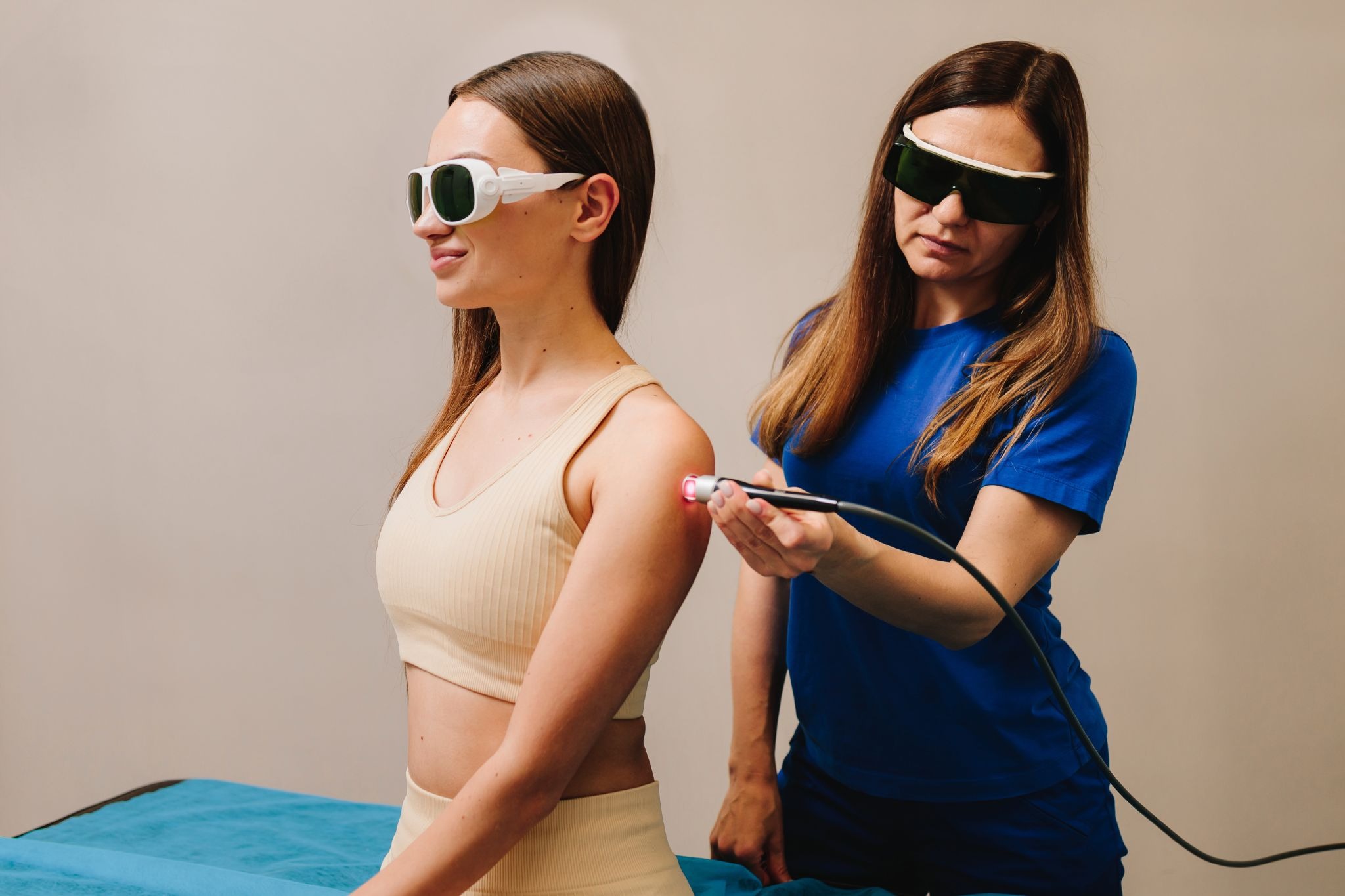
Focal infrared therapy is a non-invasive treatment that delivers therapeutic infrared light several centimeters into the tissue, reaching muscles, tendons, and ligaments that a heating pad can’t reach. The focal device concentrates light precisely on the treatment zone (the lower back, neck, shoulder, or knee) rather than diffusing energy across the surrounding area.
At that depth, light energy stimulates ATP production (the energy currency cells run on), dilates blood vessels to improve circulation, and helps move inflammation toward active resolution. The result is more oxygen and nutrients reaching the damaged area, faster removal of byproducts that slow healing, and more relaxed muscles ready to respond.
How focal infrared therapy supports chiropractic care
A spinal adjustment addresses the structural side of pain and dysfunction from misaligned vertebrae and restricted joint motion to nerve irritation caused by poor spinal mechanics. But the soft tissue surrounding the spine plays a major role in how well an adjustment holds and how quickly you recover.
To put it simply, adjustments work better when your muscles aren't fighting them.
When tight, guarded muscles surround the spine, they increase resistance during a manipulation, making the adjustment less precise and less comfortable. A few minutes of infrared before the adjustment softens the tissue and improves pliability. The manipulation lands more effectively, and the experience is more comfortable.
After the adjustment, infrared helps manage any localized soreness. It supports the tissue as it settles and reinforces the improved circulation from the adjustment. For patients coming in regularly, it can also help bridge the gap between visits, providing meaningful relief from inflammation and soft-tissue pain without adding load to the spine.

Conditions that may benefit from infrared therapy
Researchers have studied the use of infrared light for healing across a range of musculoskeletal and soft-tissue conditions. It isn't a cure-all, but it's a well-supported addition to conservative care for:
Neck pain and stiffness, particularly tension-related or posture-driven tightness
Lower back pain, including muscle spasm and chronic lumbar ache
Sciatica, as part of a broader care plan that includes spinal adjustments
Soft-tissue injuries, including sprains, strains, and repetitive-use conditions
Joint stiffness, including early-stage arthritis
Cervicogenic headaches (headaches that originate in the neck or upper spine)
Post-adjustment soreness, supporting faster recovery between visits
Whether it's the right fit depends on your health history and specific symptoms, and that's exactly what a first visit will figure out.
What to expect during a session
Therapeutic infrared light therapy is non-invasive and typically comfortable. Most patients describe the sensation as a gentle, penetrating warmth, noticeably different from the surface warmth of a heating pad and generally quite pleasant.
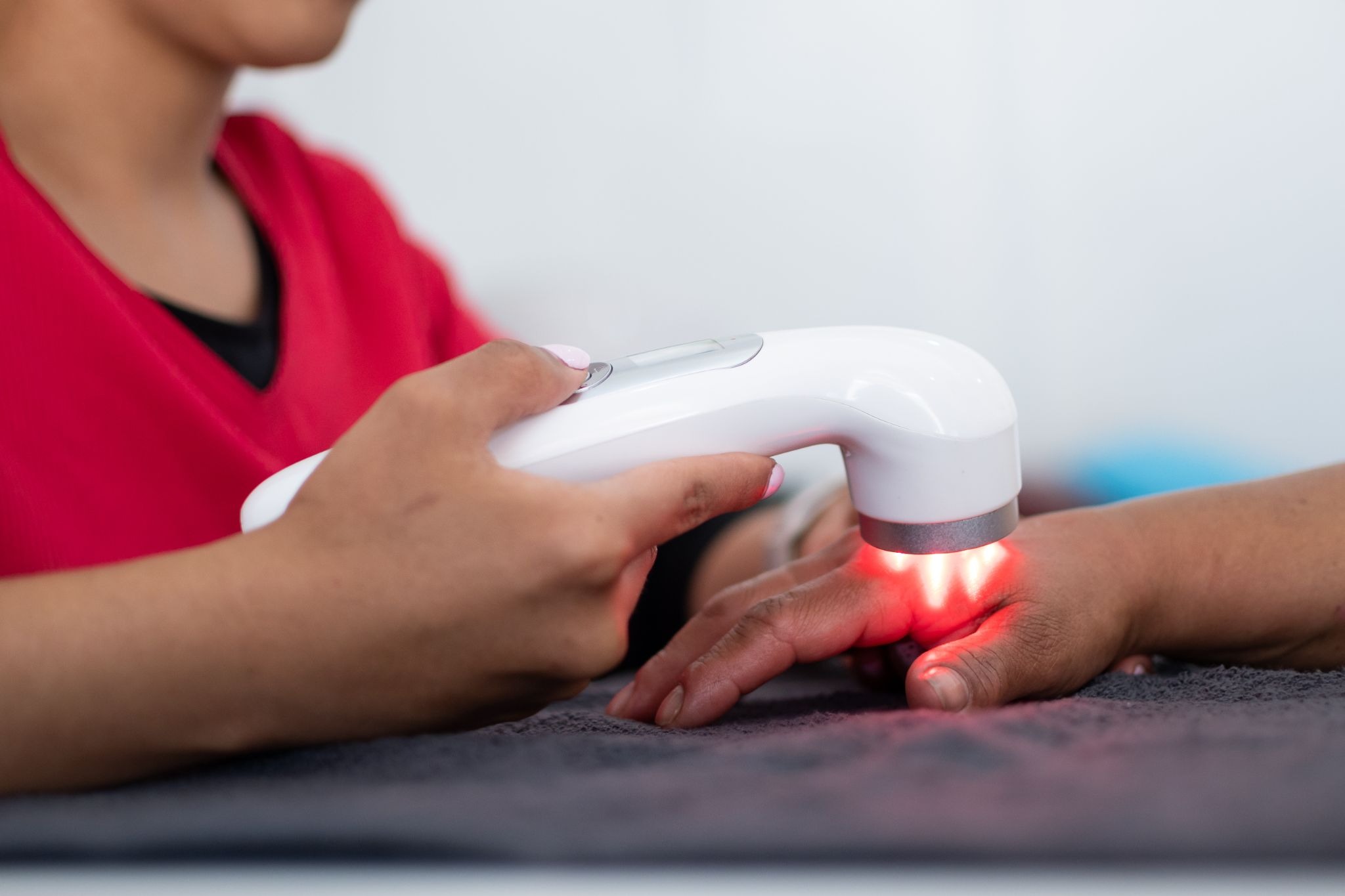
A typical session lasts 10–20 minutes, depending on the treatment area and goals. The device is positioned near the skin without making contact. You remain relaxed and comfortable, whether lying or sitting, throughout the session. The area being treated needs to be exposed or covered only with a thin fabric so the light reaches the tissue effectively.
There's no downtime and no recovery period. Most patients move directly from infrared light for healing into their chiropractic adjustment, or leave the office and return to their day without interruption.
Common misconceptions about infrared therapy
"It's a fancy heating pad."
A heating pad warms the skin and the layer right beneath it. Therapeutic infrared light penetrates two to four centimeters into the tissue, reaching the muscle and joint structures where injury and inflammation live. The underlying mechanism is also distinct: it's light energy affecting how your cells produce and use energy. The two aren't interchangeable.

"You need many sessions before you'll notice anything."
Not necessarily. Some patients feel improved mobility or reduced soreness after a single session. Others benefit from a longer series as part of a coordinated plan. The starting point usually isn't as far off as people expect.
"It only helps acute injuries."
Infrared light for healing works equally well for chronic conditions, including long-standing back pain, recurring neck tension, and persistent joint stiffness. A lot of patients use it proactively to stay ahead of inflammation, not only to recover from something new.
"All infrared devices are the same."
Clinical-grade focal infrared equipment is calibrated for specific wavelengths and output parameters. Consumer products vary widely. Most of the research supporting infrared therapy used clinical-grade equipment, so if you've tried an at-home version without results, that may explain why.
What the research indicates
Studies on red and near‑infrared therapy for chronic low back pain show short‑term reductions in pain and improvements in function, particularly when specific wavelengths and dosing are used and when treatment is combined with exercise or other conservative care.
Outcomes in research are influenced by wavelength, dose, treatment duration, and device quality, which is why not all studies or devices produce the same results. Trials using well‑defined, clinical‑grade parameters tend to offer the clearest guidance for practice.
Frequently asked questions: focal infrared therapy
Is focal infrared therapy safe?
Yes. When administered by a trained provider using clinical-grade equipment, focal infrared therapy is safe for most patients. It is non-invasive, drug-free, and does not use ionizing radiation. Certain conditions, including pregnancy, active skin infections, photosensitive disorders, and some implanted devices, may require modifications or precautions. Your provider will review your health history before beginning treatment.
Does infrared therapy hurt?
No. Most patients describe it as a warm, penetrating sensation that's quite pleasant and noticeably different from the surface heat of a heating pad. If you feel excessive heat at any point, let your provider know, and they will adjust it right away.
How long does a session take?
A typical session runs 6 minutes, depending on the treatment area and goals. It’s usually integrated into a broader chiropractic visit rather than scheduled as a standalone appointment.
How many sessions will I need?
It depends on your condition, its severity, and how your body responds to care. Some patients notice meaningful improvement after one or two sessions. Others benefit from a longer series of treatments integrated into a multi-week care plan. Your chiropractor will adjust your plan based on your progress at each visit.
What's the difference between focal infrared therapy and a heating pad?
A heating pad warms the skin's surface. Focal infrared therapy delivers light energy two to four centimeters into the tissue, reaching muscle, tendon, and joint structures that surface heat can't access. The cellular mechanism is also distinct from passive heat.
Can infrared therapy be combined with chiropractic adjustments?
Yes. It’s commonly used immediately before an adjustment to prepare the soft tissue, or after to support recovery and reduce post-adjustment soreness. The two approaches work well together within a coordinated care plan.
Does insurance cover infrared therapy?
Coverage varies by plan and carrier. Doctor Tony Chiro offers transparent self-pay pricing and flexible options, including bundled packages, so accessible care doesn't depend on your insurance situation. Call the office to discuss your specific circumstances.
Support your healing at Doctor Tony Chiro
Adding infrared therapy to your care plan is a targeted tool that addresses the soft-tissue side of pain: the tight, inflamed tissue that keeps adjustments from holding as well as they should.
With focal infrared therapy, spinal adjustments, electric muscle stimulation, therapeutic ultrasound, and more, Doctor Tony Chiro builds care around what you're actually dealing with. We personalize every plan for you. Each treatment has a reason to be there, and you'll always understand what we’re doing and why.
If you're ready to find out whether focal infrared therapy belongs in your care plan, schedule a visit with Doctor Tony Chiro today and start feeling and moving better.